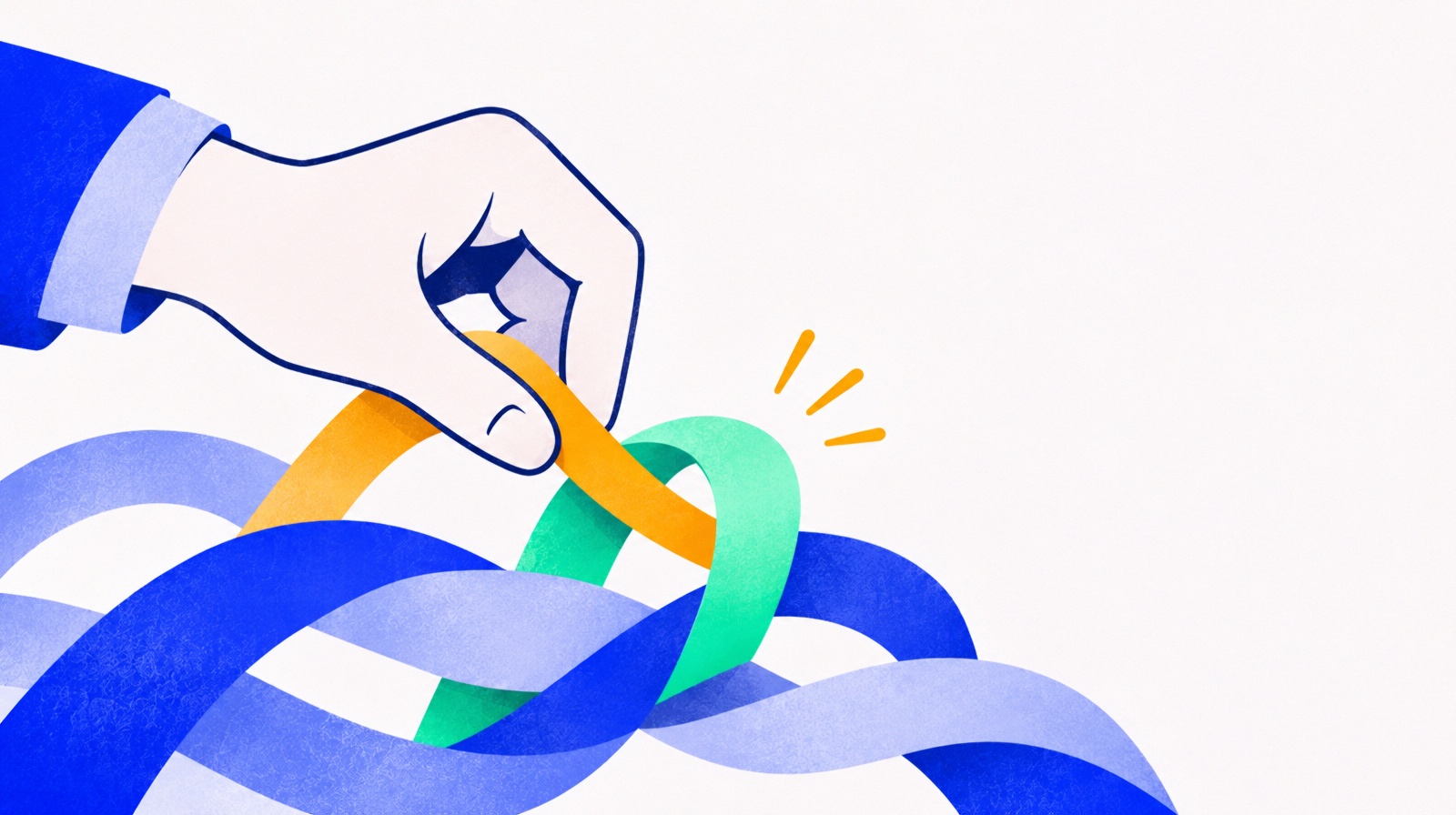
How many times have you heard talk in the last year about the number of jobs that Artificial Intelligence (AI) is going to disappear? Surely quite a few, because the same thing has happened to all of us.
It seems that there is a certain interest in us being “afraid” of this new technology and seeing it as an enemy. However, as we get to know it better and delve deeper into its use, we realize that In sectors such as personnel selection, it can be a great ally.
It is clear that the data analysis and automation capabilities of this tool have the potential to profoundly change many jobs, but few of them will disappear entirely. In most cases, what will occur is a transformation in the way of working, which will reduce the time that must be dedicated to repetitive and low-value tasks.
Table of Contents
Current fears regarding AI at work
AI is still a great unknown to us. We have glimpsed its potential, but We don't know how far it can go, and that's really what scares us. In fact, even great personalities linked to this technology such as Sam Altman, CEO of OpenAI, the company that created Chat GPT, have expressed some uncertainty about what awaits us in the future.
Among the many fears associated with Artificial Intelligence, one of the most widespread is the one that says that it will take away our jobs. That she is capable of doing so many things at the same time and with such perfection, that she will end up carrying out jobs on her own that right now require human presence.
In reality, we should not worry about this issue, because it already seems clear that this is not going to happen. Because? Well, simply because AI lacks certain cognitive abilities and skills that are innate to human beings, and you will probably never develop them.
What you can do is profoundly change jobs that are made up of repetitive and routine tasks, such as data recording. But that does not mean that all that human talent is going to be wasted, but rather that it will be used in higher value-added tasks.
The key is not to be afraid of AI, but to be curious about it and look for ways in which it can help us in our work. Furthermore, we will need acquire new skills to more efficiently use a technology that is constantly evolving and gives us no room to fall behind.
Contrary to what some want to “sell” us, the work environment is not going to be dehumanized, what we are going to experience is a gradual change towards an environment in which human beings, robots and AI Collaborate with each other to do more efficient work, with less effort and of higher quality.
What AI does and does not do
If you are a Human Resources specialist and take part in personnel recruitment processes, chances are that you are already familiar with some AI tool that is applicable in your field of work. And you have surely noticed that there are things that it can do more quickly and efficiently than you, and others that it is incapable of doing, and it is these tasks with greater added value that you have to assume in your workplace.
Let's first see what it is what you can do:
Resume screening
Screening resumes is a slow and tedious task which greatly delays the progress of the selection process. Luckily, AI is prepared to analyze large volumes of data quickly and efficiently.
All we have to do is tell the algorithm what keywords must be taken into account in the reviewed documents, and thus we ensure that only those that fit the basic characteristics that the appropriate candidate must have to fill the position are selected.
Candidate evaluation
Skills tests like the ones we use at Hirint use Artificial Intelligence to Objectively evaluate a person's soft skills and abilities. This allows those applicants who fit the profile being sought to continue advancing in the selection process.
Performance prediction
By feeding the AI with the historical performance data of our employees, we can get it to create a predictive model of future candidate performance, also taking into account the patterns and skills previously detected.
And now let's explore more about what you can't do:
Interpret the context
AI analyzes data, but does not know the personal and professional context of the candidates, and it turns out that this is essential to make a holistic evaluation. For example, that performance prediction we talked about before may not be very accurate if it turns out that the candidate who ends up being hired is not comfortable in the position.
Create empathy and connection
For improve candidate experience, it is important that during the selection process there is empathy and connection with the recruiters, and this is something that AI is incapable of offering, because It is still software that does not understand feelings because it lacks them.
Making the hiring decision
No matter how advanced AI becomes, the responsibility of choosing the right candidate should always fall to humans, because only we are going to consider qualitative and contextual factors that technology is overlooking.

What the recruiter does and does not do
The role of the recruiter in the selection process is much more important than that of technology. Let's see what it does and doesn't do today.
What the recruiter does do compared to AI is:
Establish a personal connection with candidates
Through interpersonal skills and empathy, the recruiter creates a personal relationship with the candidate that makes him feel more comfortable with the interaction and face a selection process that can be long with better spirits.
Additionally, the recruiter obtains information about applicants as he or she interacts with them, both through verbal and non-verbal communication.
Cultural Fit Assessment
AI can measure a person's soft skills, but it is the recruiter who digs deeper to know to what extent they are developed. It is also responsible for evaluating whether the professional and personal profile of the applicant fits well into the company environment and culture, something that is vitally important to ensure the success of the recruitment.
Advise and offer feedback
The recruiter can Help managers better understand candidates' strengths and weaknesses, so that they can make informed decisions.
Furthermore, it is capable of providing a constructive feedback to candidates about their performance in the selection process.
What the recruiter does not do compared to the AI is:
Mass screening of resumes
A full team of HR specialists who spend the entire morning reviewing candidate resumes It will not be able to analyze even a third of the data that an AI can examine while only half an hour of work.
Apply a level of objectivity quite close to 100%
AI is not perfect and can apply biases to applicants if it has been fed data that shows a certain level of discrimination or preference towards certain profiles. However, if its design and feeding is done with unbiased data, it can become a lot more objective than a human being when evaluating applicants.
Predict future performance of candidates
The recruiter it doesn't handle that much data to be able to predict a person's pattern of work behavior based on what you know about them and the company's historical data.
AI will not take away your job, but it will help you be a better professional
In the end, what should be clear to us is that technology is not going to end employment in the HR field. She is not going to be in charge of selecting personnel alone because, Although it has many strengths, it also has some important weaknesses, exactly the same as what happens to us human beings.
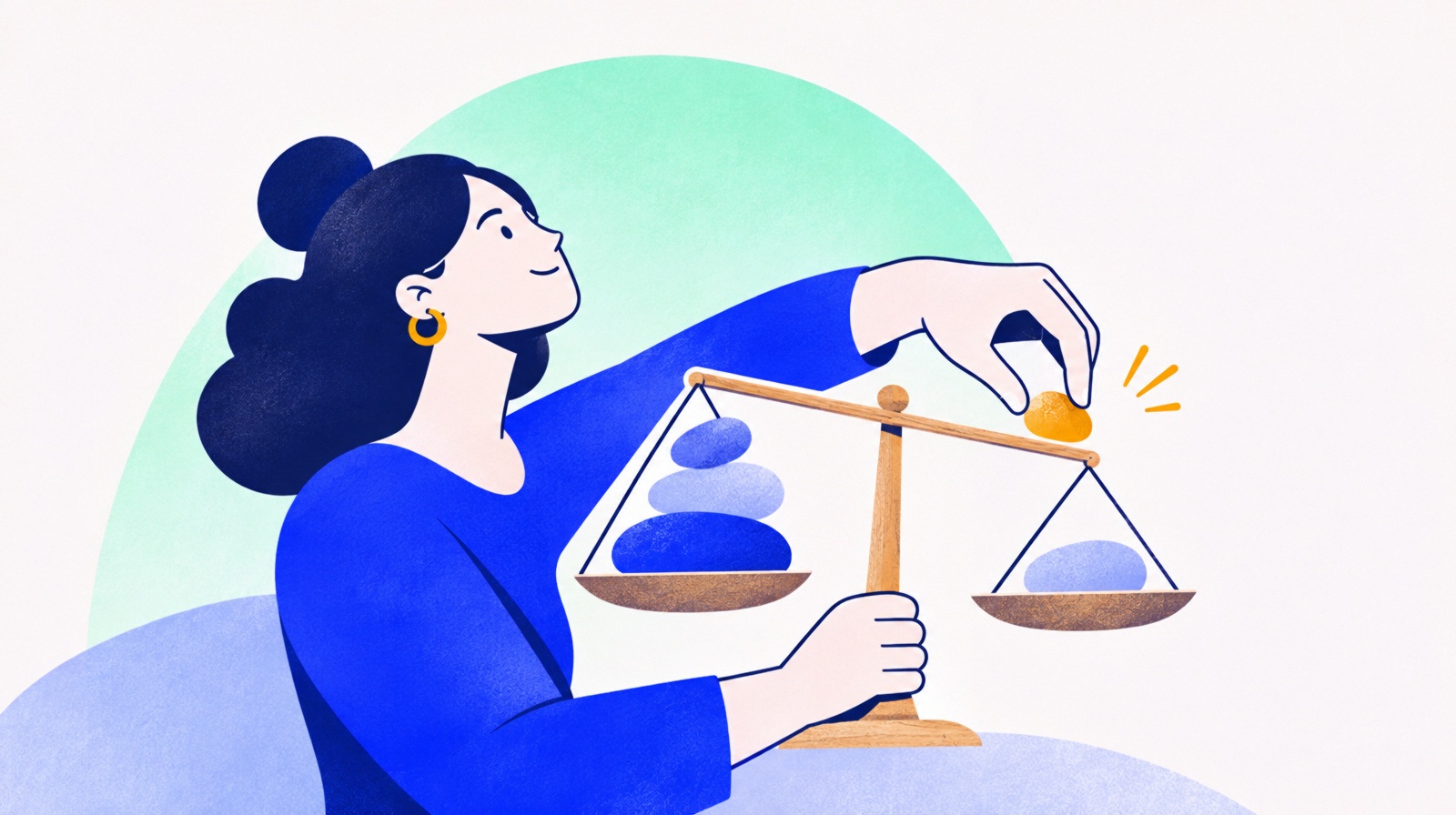
The key for selection processes to become faster and more efficient is to combine the strengths of people and AI, so that they compensate for the limitations of the other party.
Artificial Intelligence provides its efficiency and capacity when analyzing and managing large volumes of data, while the recruiter provides its human judgment, empathy and ability to make complex contextual decisions. The synergy between the capabilities of both parties has the potential for the personnel selection processes are more satisfactory for all those involved.